The preclinical shelf is where the future clinician stops memorising and starts reasoning: the calculus behind a dose-time curve, the chemistry of a binding site, the biotechnology that makes a modern assay possible. It is the least glamorised corner of the medical library and the one that separates a student who understands the science from a student who has only seen it on the exam.
This guide gathers seven preclinical and basic-science books available at MedicineeBook — two volumes of calculus for the life sciences, a general chemistry text and a pharmaceutical-chemistry one, an introduction to biotechnology, a reference on biomedical image understanding, and a principle-and-practice text on vaccinology — so the shelf covers the maths, the molecules, the methods, and the live-science questions the modern preclinical curriculum now expects.
At a Glance: The 2026 Preclinical & Basic Science Reading List
| Resource | Format | Best for | Price |
|---|---|---|---|
| Calculus For Biology and Medicine, 3rd Edition | Clinics & science students needing the maths | $36 | |
| Biocalculus: Calculus for Life Sciences | Life-science undergraduates | $26 | |
| Chemistry: The Molecular Nature of Matter, 7th Edition | Pre-med & first-year students | $32 | |
| Essentials of Pharmaceutical Chemistry, 4th Edition | Pharmacy & drug-science students | $28 | |
| Introduction to Biotechnology, 3rd Edition | Preclinical & research-track students | $24 | |
| Biomedical Image Understanding: Methods and Applications | Imaging & bioengineering students | $29 | |
| Vaccinology: Principles and Practice | Students & public-health readers | $15.99 |
1. Calculus For Biology and Medicine, 3rd Edition
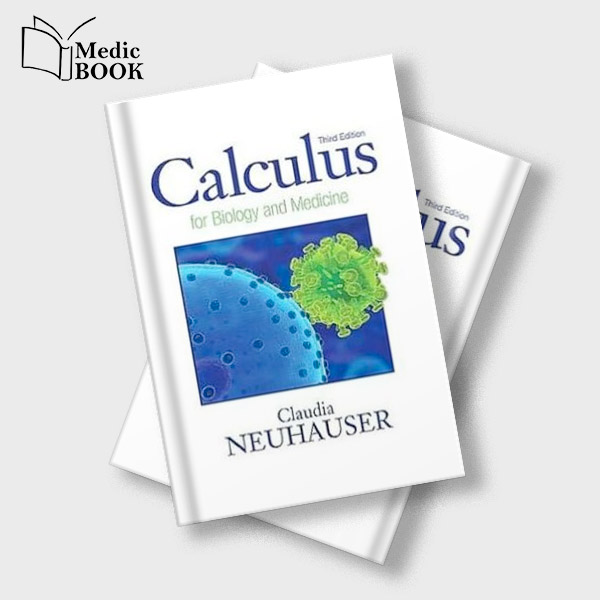
The calculus text is the shelf’s maths anchor: the differential and integral concepts, worked through on the biological examples that make them stick, from growth curves to the rate equations behind a pharmacokinetic model. The third edition tightens the clinical examples, which is where the older editions were weakest.
It is the most demanding title on the list and the one a student should start before the modelling questions start appearing in the exam; it is also the priciest, so it is the natural premium purchase of the shelf.
Pair it with the biocalculus text below, which is the lighter companion for the reader who needs the concepts fast rather than the full derivation.
$36
2. Biocalculus: Calculus for Life Sciences
Biocalculus is the gentler of the two calculus books: the same core ideas, fewer formal steps, and a faster route to the working intuition a life-science student needs to read the model in a paper. It is the correct pick when the goal is to understand the calculus that already appears in the biology, not to do it from first principles.
At $26 it is the more affordable on-ramp, and the right first purchase for a reader who has not yet met the harder volume.
Step up to the calculus for biology and medicine text when the course starts asking for the derivation rather than the interpretation.
$26
3. Chemistry: The Molecular Nature of Matter, 7th Edition
The general chemistry text is the foundation of the molecule side of the shelf: bonding, structure, the periodic logic, and the physical-chemistry layer that pharmaceutical chemistry and the diagnostics build on. The seventh edition keeps the problem sets at the level a first-year pre-med course expects.
It is the broadest title on the list and the correct first book for the reader who has not finished the chemistry part of the curriculum.
Once it is in place, the pharmaceutical chemistry and the molecular diagnostics volumes sit naturally on top of it.
$32
4. Essentials of Pharmaceutical Chemistry, 4th Edition
The pharmaceutical chemistry text moves from the general molecule to the drug molecule: structure-activity reasoning, the functional groups that carry the therapeutic effect, and the chemistry of the common therapeutic classes. It is the shelf’s most clinically oriented chemistry title.
It is the right purchase for the student or pharmacist who already has the general chemistry and needs the drug-specific layer, and it pairs directly with the diagnostics text at the end of this list.
Use it for the drug chemistry; the general chemistry text is the prerequisite underneath it.
$28
5. Introduction to Biotechnology, 3rd Edition
The biotechnology introduction is the shelf’s methods book: the recombinant-DNA and molecular-biology techniques that now sit behind the diagnostics, the therapeutics, and the research the modern preclinical curriculum expects the student to recognise. The third edition refreshes the techniques to what is actually in the lab now.
It is the bridge between the chemistry of the drug and the diagnostics that detect it, and the least expensive of the seven titles, which makes it the natural early buy.
Read it before the diagnostics volume, so the assay methods in that book have their introduction.
$24
6. Biomedical Image Understanding: Methods and Applications
The image-understanding text is the shelf’s quantitative imaging reference: the methods behind the modality, the reconstruction and analysis steps, and the application examples that show where the image actually changes the diagnosis. It is the correct pick for the student whose preclinical track leans toward imaging and the engineering side of the diagnostics.
It is the most specialised title on the list and the one a general pre-med can defer; the chemistry, the biotechnology, and the calculus texts are the broader foundations.
Keep it open when the imaging question is the question; it rewards the maths from the calculus volumes above.
$29
7. Vaccinology: Principles and Practice
The vaccinology text is the shelf’s live-science title: the principles behind the immune response, the platform families from the live-attenuated to the mRNA, and the practice questions of dosing, scheduling, and the cold chain. It is the book that connects the preclinical shelf to the public-health conversation the modern curriculum now carries.
It is also the cheapest title on the list, and the one a generalist can add to any of the other purchases without the shelf suddenly looking expensive.
Read it for the immune-response reasoning; it is the applied face of the molecule work above.
$15.99
How to Choose: Sequencing the Preclinical Shelf
Building the maths base first? Start with Biocalculus for the quick on-ramp and step up to Calculus For Biology and Medicine when the course wants the derivation. The two together are the complete maths half of the shelf.
Coming from the molecule side? General Chemistry is the foundation, Pharmaceutical Chemistry is the drug layer on top of it, and Introduction to Biotechnology is the methods bridge to the diagnostics work.
Leaning toward imaging or the public-health live question? The Biomedical Image Understanding text is the quantitative pick, and Vaccinology is the cheapest and most applied title, worth adding to any of the other purchases.
Caveat: this is a shelf that sequencs itself. Buy in the order maths, then molecule, then methods, and the later titles stop feeling like they are missing their introduction.
What Not to Buy: Common Mistakes
Buying the hard calculus book without the biocalculus on-ramp. The Calculus For Biology and Medicine text rewards a reader who has the concepts; a student who has met neither book will go faster through Biocalculus first and then deepen with the harder volume.
Reaching for the image-understanding book as the first preclinical purchase. The Biomedical Image Understanding reference is the most specialised title and the one that assumes the maths and the diagnostics context; a generalist who starts there will find the foundations missing.
Buying the pharmaceutical chemistry text without the general chemistry under it. The drug-structure reasoning assumes the bonding and the periodic logic; without the general chemistry text the pharmaceutical volume will feel like it is skipping the introduction.
Frequently Asked Questions
Which book on this shelf is the hardest to start?
The Calculus For Biology and Medicine text is the steepest, and the Biomedical Image Understanding reference is the most specialised; both reward a reader who already has the broader foundations from the chemistry and the biotechnology titles.
Are these original publisher PDFs?
All seven titles are original-publisher PDFs, so the editions and the problem sets are exactly as the listings state; the two calculus books are both current editions, which is the detail that matters for the coursework use.
What is the cheapest complete preclinical start?
Vaccinology at $15.99 and Introduction to Biotechnology at $24 are the two cheapest and the most broadly useful; the two calculus books and the two chemistry texts are the deeper, pricier layer on top.
Does the shelf cover both maths and molecule?
Yes, deliberately: the two calculus titles carry the maths, the two chemistry titles carry the molecule, and the biotechnology and the image-understanding volumes are the methods that connect them to the diagnostics work.
Which two titles do a first-year pre-med actually need first?
The General Chemistry text for the molecule foundation and the Biocalculus text for the maths on-ramp; those are the two that the later titles assume.
Can I read these on an e-ink reader?
Yes for most of them; the two calculus books and the image-understanding text want a larger screen for the worked examples and the figures, while the vaccinology and the biotechnology introductions read comfortably on the smallest device.
Additional Resources
For students building a broader library, these resources round out what the catalog covers:
- GetUreBook — PDF textbooks across all subjects.
- EtextPdf — eTextbook PDF library.
- Univebook — university book collection.
- NCBI (NIH) — research and reference database.
- International Union of Biochemistry — biochemistry nomenclature reference.