A molecular-biology shelf should not be a stack of textbooks that all say the same thing in different fonts. It should be a set of tools, one for the system, one for the specialist corner, one for the frontier, and one for the bench. That is the shape this guide is built in.
The seven below run from $19.99 to $37 and are all complete original-publisher PDFs at MedicineeBook. Each earns its slot for a different job, and the at-a-glance table says which job.
At a Glance
| Resource | Format | Best for | Price |
|---|---|---|---|
| Essential Cell Biology , 4th Edition (Original PDF from Publisher) | Core system text | $28 | |
| Snyder and Champness Molecular Genetics of Bacteria, 5th Edition (Original PDF from Publisher) | ASM bacterial genetics | $37 | |
| Biomedical Nanomaterials: From design and synthesis to imaging (Original PDF from Publisher) | Nanomedicine bridge | $19.99 | |
| Biomedical Applications of Extracellular Vesicles (Original PDF from Publisher) | Vesicle frontier | $27 | |
| Cell Boundaries: How Membranes and Their Proteins Work (Original PDF from Publisher) | Membrane deep dive | $24 | |
| Genomic, Proteomics and Biotechnology (Original PDF from Publisher) | Omics connective | $27 | |
| Molecular Diagnostics: Fundamentals , Methods and Clinical Applications , 2e (Original PDF from Publisher) | Clinical lab readout | $29 |
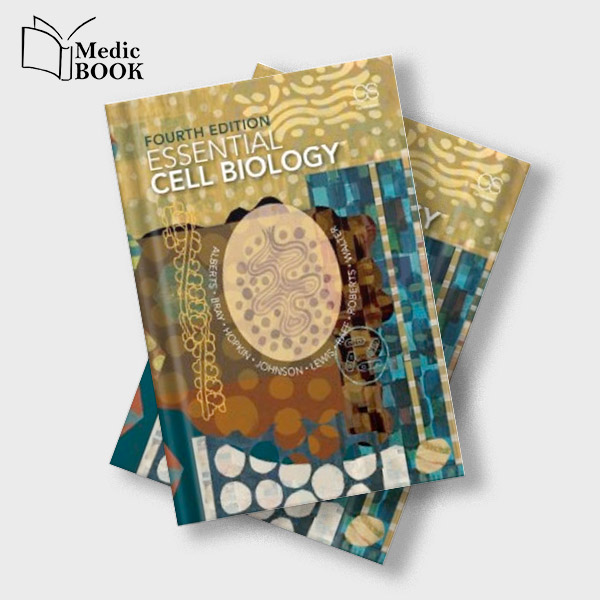
1. Essential Cell Biology , 4th Edition (Original PDF from Publisher)
Essential Cell Biology is the text that makes the central dogma click instead of memorize. The fourth edition keeps the story-driven structure that has made the series a standard for years: membranes, chromosomes, and the proteome are treated as a system, not a parts list.
It is the single best first purchase on this list. The caveat: the price puts it near the top of the pile, so if your budget is tight, start with the other anchors and graduate to this one.
Each chapter closes with a worked application, which is the format that keeps the book useful as a review text months after the course has ended and the lectures are gone.
Currently $28 at MedicineeBook.
2. Snyder and Champness Molecular Genetics of Bacteria, 5th Edition (Original PDF from Publisher)
Snyder and Champness’ Molecular Genetics of Bacteria is the ASM series title that turns the prokaryote world from a set of oddities into one coherent subject. The fifth edition adds the modern view of horizontal gene transfer, phage ecology, and genomic context.
It is a specialist text, so it only earns its place if your program or research involves microbes. For a general molecular course, it is the wrong tool, but for an ASM-based track it is the right one and the most expensive item on the list.
Currently $37 at MedicineeBook.
3. Biomedical Nanomaterials: From design and synthesis to imaging (Original PDF from Publisher)
Biomedical Nanomaterials is the bridge between chemistry and the clinic. It covers design, synthesis, and imaging of nanomaterials with enough of the toxicology picture to keep the promises honest. It is the title to own if your molecular biology interest has a drug-delivery angle.
The writing is review-like rather than textbook-like, which suits the pace of the field. Pair it with the extracellular-vesicles volume below for the soft-biology side of the story.
The toxicity chapters are the honest ones, and they are the reason the volume reads like a review rather than a brochure, which is exactly what a lab decision needs.
Currently $19.99 at MedicineeBook.
4. Biomedical Applications of Extracellular Vesicles (Original PDF from Publisher)
Biomedical Applications of Extracellular Vesicles captures one of the fastest-moving frontiers: exosomes and related vesicles as carriers, biomarkers, and tools. The volume is a genuine original-publisher PDF, not a summary, and it treats the applications with the field’s own caveats attached.
Because the area is young, a single book will not give you the whole state of the art. It is the best starting point, and the best starting point is the point of owning it.
Currently $27 at MedicineeBook.
5. Cell Boundaries: How Membranes and Their Proteins Work (Original PDF from Publisher)
Cell Boundaries is the quiet strength on this list. It is a deep dive into how membranes and their proteins actually work, written with the precision of a primary source. It pairs naturally with Essential Cell Biology, which introduces the system, and this book, which dissects it.
It is less suited to a first encounter with the subject and better suited to a second pass, once you have the big picture and want to know how the picture is painted.
The protein chapters are the book’s strongest, and the ones most worth a second pass once the course has moved on and the exam has asked the harder question.
Currently $24 at MedicineeBook.
6. Genomic, Proteomics and Biotechnology (Original PDF from Publisher)
Genomic, Proteomics and Biotechnology is the connective tissue: it pulls the three omics fields into one book and explains why they must be read together. It is the entry to own if your work is data-first rather than bench-first.
The volume is a collection rather than a single-author text, so depth varies between chapters. The proteomics chapters are the standout; the biotechnology sections are serviceable.
Currently $27 at MedicineeBook.
7. Molecular Diagnostics: Fundamentals , Methods and Clinical Applications , 2e (Original PDF from Publisher)
Molecular Diagnostics: Fundamentals, Methods and Clinical Applications is the clinical end of the shelf. The second edition maps the laboratory reality of molecular testing: what the methods can prove, what they cannot, and where the report goes wrong. It is the book a trainee needs on the bench.
It is dense and lab-flavored, so it rewards a reader who has done the underlying molecular biology first. If you have not, sequence your purchases accordingly.
Currently $29 at MedicineeBook.
How to Choose
The first-year student. Buy Essential Cell Biology first. It is the anchor every other title on this list assumes you have read.
The microbiology or ASM track. Add Snyder and Champness; it is the only one of the seven that is truly a specialist text, and the most expensive, so buy it only for that track.
The drug-delivery and data reader. Pair Biomedical Nanomaterials with Extracellular Vesicles, then close the shelf with Molecular Diagnostics for the clinical readout.
What Not to Buy: Common Mistakes
Buying the specialist book for the general course. Snyder and Champness is a prokaryote text. A general molecular course will not use most of it, and the $37 price is the wrong one to pay for a gap you do not have.
Skipping the membrane book. Cell Boundaries is the least famous title here and the one that will serve you longest, because it explains the system rather than the headlines. The headlines are in every other book on the shelf.
Treating the omics volume as a methods manual. Genomic, Proteomics and Biotechnology is connective tissue, not a bench manual. Pair it with Molecular Diagnostics when you need the methods, not instead of it.
Frequently Asked Questions
Which of these is the best single purchase?
Essential Cell Biology, by a wide margin. Every other title on the list assumes the system it explains.
Is Snyder and Champness a replacement for a standard microbiology book?
No. It is the molecular-genetics half of the microbial world, not the clinical microbiology half. Own it only if your track is ASM-based.
Are these original-publisher PDFs?
Yes, all seven are complete original-publisher PDFs, not abridgments or scanned course notes.
What is the right reading order for a first-year student?
Essential Cell Biology, then Cell Boundaries, then Genomic Proteomics and Biotechnology, then Molecular Diagnostics last, once you are in the lab.
Which title is the newest frontier?
Biomedical Applications of Extracellular Vesicles, because the field it covers is the youngest on the shelf and moves fastest.
Can I read Cell Boundaries before Essential Cell Biology?
Technically, but it is the reverse of the book’s own logic. Read the system first, then its boundaries.
Additional Resources
For students building a broader library, these resources round out what the catalog covers:
- Mylibpdf — PDF library.
- NeedeBook — student e-books and study guides.
- UniversityEbook — university ebooks.
- NCBI (NIH) — research and reference database.
- Wikipedia — background reference.